When choosing curtains, fabric and colour often get all the attention- but the curtain heading is just as important. If you’re aiming for that rich, luxurious look with deep folds and plenty of body, the heading style you choose will make all the difference.
So, which curtain heading delivers the most fullness? Let’s explore each heading type to find out.
What Does “Fullness” Mean in Curtains?
Fullness refers to how much fabric is used across the width of your window and how it’s gathered at the top. More fullness means:
-
Deeper, more pronounced folds
-
A softer, more luxurious drape
-
Better light control and insulation
-
A high-end, tailored finish
Fullness is usually measured by the ratio of fabric width to track or pole width (for example, 2x or 2.5x fullness).
Pinch Pleat: The Most Fullness Overall
If maximum fullness is your goal, pinch pleat curtains are the clear winner.
Pinch pleat headings are designed with (double or triple) stitched pleats at the top that permanently hold extra fabric in place. This creates:
-
Deep, structured folds from top to bottom
-
A classic, elegant appearance
-
A luxurious, hotel-style finish
Because pinch pleat curtains typically use more fabric than other headings, they naturally deliver the fullest look—especially when made to measure. This style requires 2.5 times fullness for a structured, elegant look.
Best for:
Bedrooms, formal living rooms, and anyone wanting a rich, traditional, or luxurious feel.
Pencil Pleat: Adjustable Fullness
Pencil pleat curtains are known for their versatility. This heading tape allows you to adjust how tightly the fabric is gathered, meaning you can control the level of fullness.
When made with enough fabric, pencil pleats can look beautifully full and soft, though they tend to be slightly less structured than pinch pleats. Pencil Pleats require double fullness for the best effect.
Best for:
Traditional or relaxed interiors where flexibility and softness are key.
Wave: Smooth, Even Fullness
Wave curtains create consistent, uniform folds along the wave track. While the folds are shallower than pinch pleats, the fullness is neat and balanced.
Wave headings don’t aim for dramatic gathers- instead, they offer a clean, contemporary fullness that feels effortless and modern. For optimal appearance and performance, wave curtains should be installed on a compatible wave track. This requires two and a half fullness.
Best for:
Modern interiors, minimalist spaces, and floor-to-ceiling curtains.
Eyelet: Relaxed Fullness
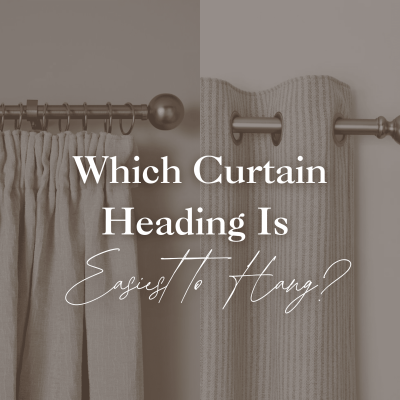
Eyelet curtains have evenly spaced metal rings that slide directly onto a curtain pole. They naturally form soft waves but use less fabric overall compared to pleated headings.
While eyelets don’t create maximum fullness, they still offer a stylish, relaxed look that works well in casual or contemporary rooms. A fullness of 1.5 to 2 times the curtain width is recommended for the best drape.
Best for:
Modern homes, informal spaces, and easy everyday styling.
Which Heading Should You Choose?
-
If your priority is maximum fullness and luxury, pinch pleat is the best choice.
-
If you want adjustable softness, choose pencil pleat.
-
If you prefer sleek, even folds, wave is ideal.
-
If you like a relaxed, modern finish, eyelet works beautifully.
Fullness Starts With Made-to-Measure
No matter the heading style, true fullness comes from using the right amount of fabric and ensuring a perfect fit. Our made-to-measure curtains are designed specifically for your window, based on your measurements- ensuring the heading performs exactly as it should.
At Direct Order Curtains, we offer made-to-measure curtains in pinch pleat, pencil pleat, wave, and eyelet headings, carefully crafted to give you the level of fullness and finish your home deserves.
Looking for beautifully full curtains? Start with the right heading, and let us take care of the rest.